Recently, the song “Scarborough Fair” by Simon & Garfunkel suddenly appeared on my YouTube feed. I was feeling a bit down at the time, and it arrived as a much-needed lift.
I closed my eyes, leaned my chair back, and took in the beautiful ballad.
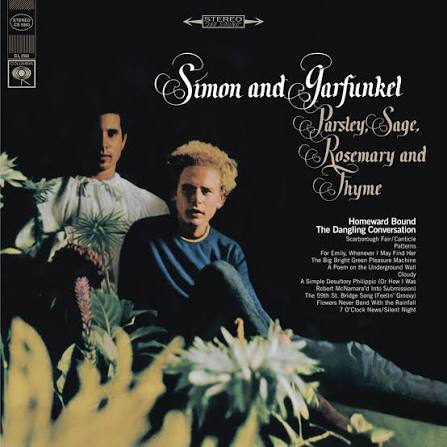
As I listened, a “golden moment” came to mind—one that my fraternity brother, Mark Pearson, surely remembers.
It was 1968, the year our house had the responsibility of organizing the University of Washington homecoming. Normally, it was a staid affair, but nothing in 1968 was normal. To lift the spirits of a fractured campus, the fraternity threw caution to the wind and booked the biggest act in America:
Simon & Garfunkel.
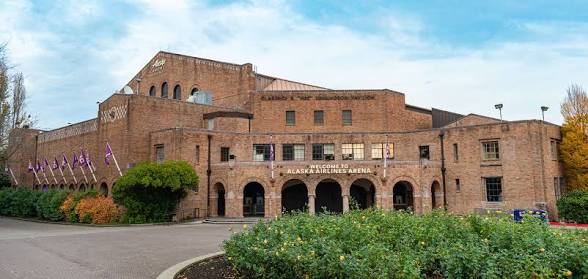
For one night only at Hec Edmundson Pavilion.
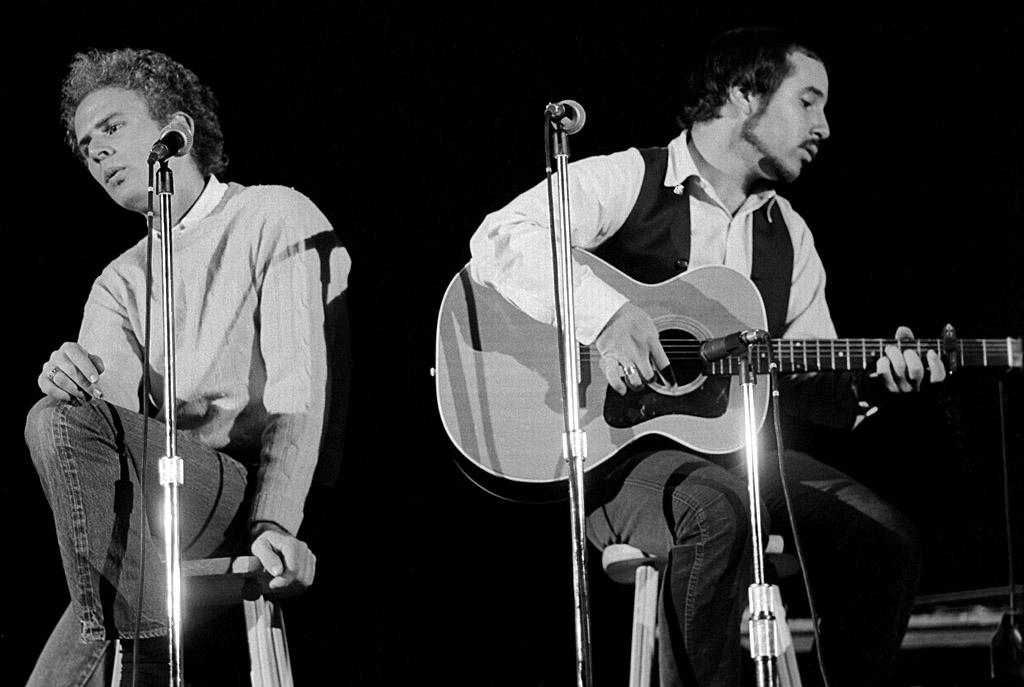
It was as electrifying a night as there ever has been on the campus of the University of Washington.
My date, Sarah, and I had front row seats.
A classmate, Susan Garrett, remembers the evening this way:
“Hec Edmundson was packed to the rafters. My most vivid memory is that Art Garfunkel never spoke. They would sing, he would step back, put his hands behind his back, and wait while Paul Simon talked and talked. When it was time for the next song, he would step forward, jam his hands in his pockets, and sing. I spent that wonderful evening sitting on the bleachers, listening to those beautiful harmonies and thinking the deep thoughts of a young person.”
Mesmerized by the music and the memory, it suddenly dawned on me that I had never truly listened to the lyrics of “Scarborough Fair” before.
I realized then: it is a deeply sad song.
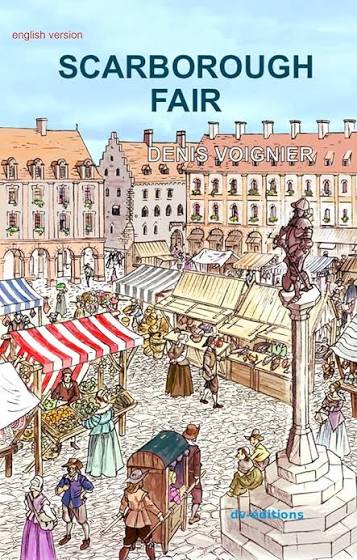
The setting for this English ballad, composed around 1650, was the annual fair in the village of Scarborough in Yorkshire. The event had been attracting merchants from all over Europe for five hundred years.
In the lyrics, we hear the singer asking someone to confront his former lover on the tender matter of reconciliation, but he does so by issuing hopelessly unrealistic demands.
“I’ll take you back,” he seems to say, “only when you have done the impossible:”
• Sewing a seamless cambric shirt.
• Finding an acre of land between the sea and the shore.
• Reaping a field with a leather sickle.
These are absurd requests, proving that love becomes a ghost when we demand the impossible as a prerequisite for forgiveness.
Sounds a little familiar, doesn’t it?
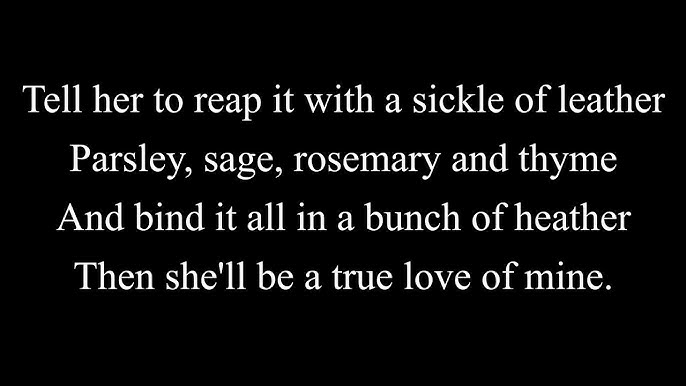
Medieval audiences would have recognized these riddles as a way for lovers to test, taunt, and reject one another.
Even the herbs—Parsley, Sage, Rosemary, and Thyme—were not selected randomly. They suggested a symbolic bouquet for healing:
• Parsley: Cleansing
• Sage: Wisdom
• Rosemary: Remembrance
• Thyme: Love
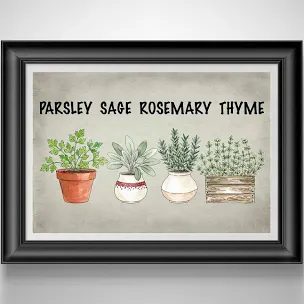
Together, they represent a recipe for the heart, balancing the strength to endure with the wisdom to remember.
Yet, the conditions we set for reconciliation often reveal far more about our wounds — than about our hopes.
What we label as “impossible” remains so because we refuse to bend.
So sad.
So true.

The fair becomes a metaphor for the space between this couple —
- crowded
- noisy
- full of movement
— a place where people pass without connecting.
Oh, how we often we rain on our own parade.

The refrain carries the ache of remembering a moment and a someone who, at one time, mattered deeply but has become unreachable.
Pride often builds the very walls that make reconciliation impossible.
Tell me that’s not a timeless message.
Just a thought…
Pat
💐
Now, just sit back and listen…
(Note: As you read the lyrics, you will notice phrases in parentheses. These are not part of the original song, but were written by Simon & Garfunkel as a reference to the Vietnam War, an attempt to make the song more relevant to the times.)