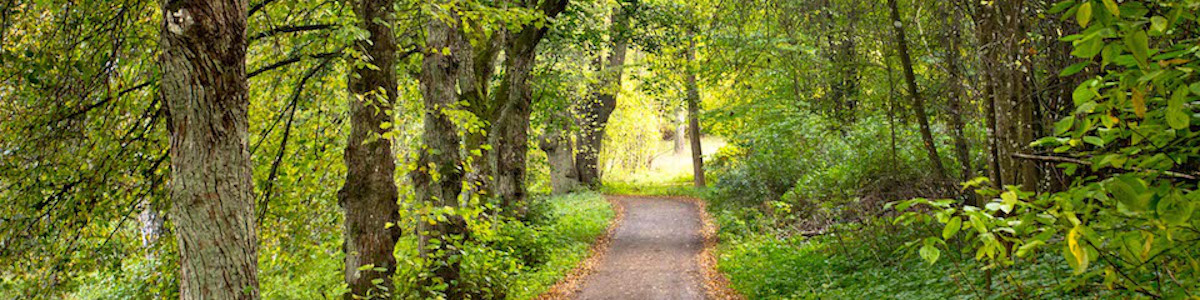
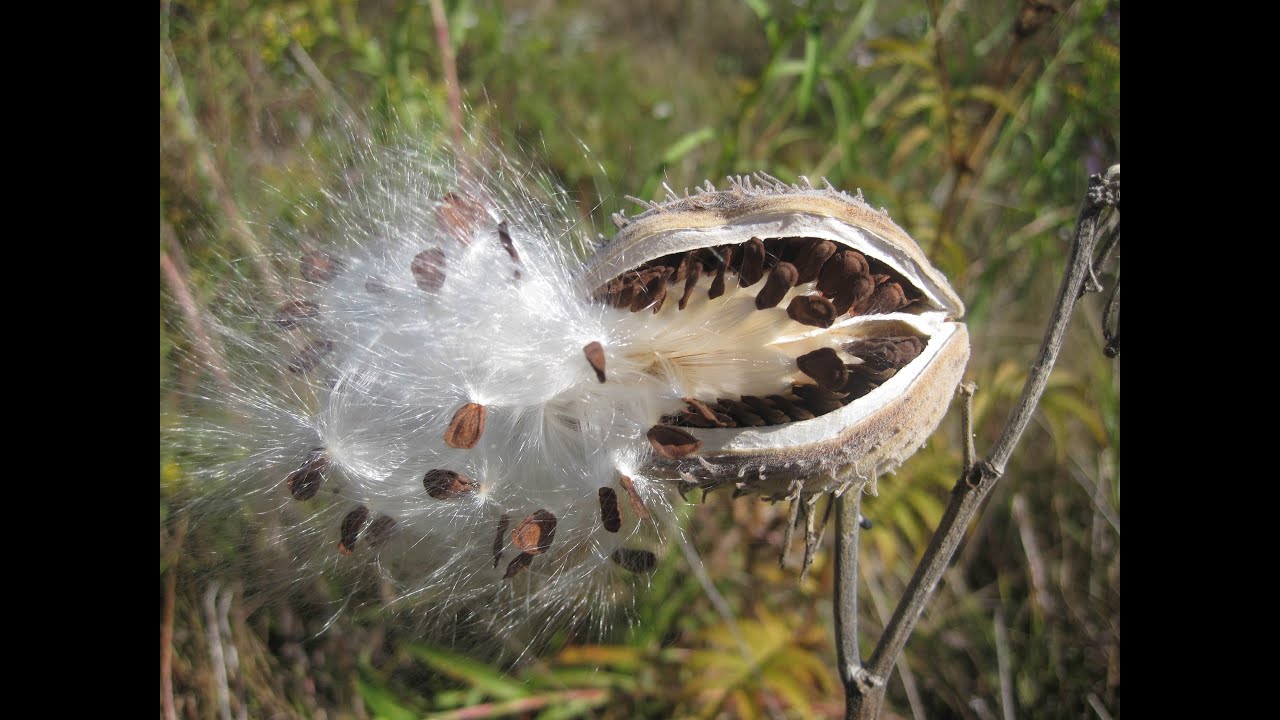
“The earth is sliced into furrows that seeds may burst with life; even thus with our wounds.” ~ Henry Stanley Haskins, The Eternal Balance
I suspect these days we all have wounds bursting with new life — but how it hurts.
Certainly, I see wounds bursting in people in my circle.
So in this wounded age an old post authored by Joe Nagy came to mind. One that reminds us of a very important lesson on what lies at ground zero of the human heart.
This semester I lost a student. He was a freshman in my literature seminar. He was my advisee. He was a sweet and troubled young man who lost his grip on life and died of an overdose in his dorm room bed.
It was the day before he was scheduled to go to the counseling center for help.
So many people were reaching out to him. I am haunted by the thought that if he could have held on one day longer, he would have taken the first step toward recovery.
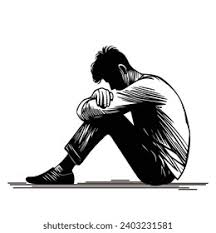
The great twentieth-century theologian Paul Tillich described the experience of sin as estrangement, as separation:
from ourselves,
from our neighbor,
from the ground of our being, God.
What is most terrifying, Tillich said, is that sin is our destiny. It is part of how we were created. It is unavoidable. It is in our nature.
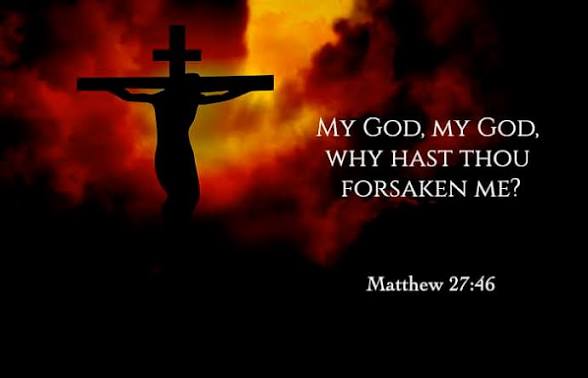
If even Jesus of Nazareth asked his Father in heaven to take the cup of suffering from him, if on his last breath he cried out, “My God, my God, why hast thou forsaken me?” — then I suppose we cannot hope for better.
Everything is broken, as Bob Dylan sings. But the cracks are what let the light in, responds Leonard Cohen. All we have to do is turn toward the light.
Paul the Apostle is one of my heroes, because he failed so badly.
He was so righteous—a scrupulous follower of the law, a Roman citizen—that he confidently persecuted those whom he knew to be wrong. He held the cloaks of those who stoned Stephen. He probably cheered them on.
Then he was struck blind.
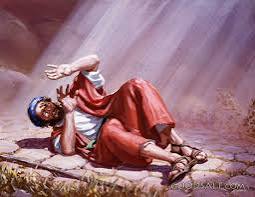
When the lights turned back on, he confidently went up to those whom he had persecuted and said he wanted to lead.
What made Paul think they would ever trust him?
The day after my student died, I gathered my class—down to fourteen now—in the university chapel.
We shared stories about him.
Eight weeks earlier he had been a stranger, but now he was indelibly a part of our lives. The day before he died, he came to my office to apologize for falling asleep in class that morning. He was on a new sleep medication for insomnia.
I told him that I fall asleep in meetings all the time, and not to worry about it.
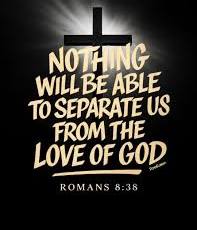
After a while, I took out a three-by-five notecard that I carry with me always and shared with my students Paul’s testament of faith. In his letter to the Romans, Paul wrote:
“For I am convinced that neither death, nor life, nor angels, nor rulers, nor things present, nor things to come, nor powers, nor height, nor depth, nor anything else in all creation, will be able to separate us from the love of God in Christ Jesus our Lord.”
Oh, how I wish he could have heard that.
Thank you, Joe.
Joe’s heart-wrenching story reminds us again that:
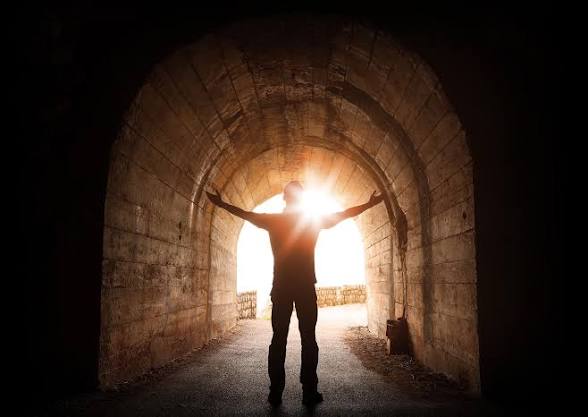
- darkness is not a WALL,
- darkness is a CORRIDOR.
God bless this young man — he just couldn’t see through to the end of his corridor.
It’s the cruel, unbearable truth of depression and despair — it convinces you the tunnel has no exit.

But it does — if you keep walking. Darkness is a corridor where light will eventually emerge.
Joe’s story reminds us in a time of darkness it’s best we join hands and walk together — and constantly remind each other this too shall pass. Light is on the horizon — whether you call it God, grace, higher power or simply the dawn.
Light is already making its way toward you. The corridor opens.
It always does.
Just a thought…
Pat
💐
Mark Pearson reminds us in song —
“As Long As It Takes”